
Introduction
The TST Electric Bike for Adults is a fat-tire, all-terrain e-bike positioned as a high-power option for commuters and recreational riders who want off-road capability. With a 1500W peak motor, 48V battery options, and manufacturer-stated top speeds up to 28 mph, it targets riders who need both speed and traction on varied surfaces. This review examines design, components, real-world performance expectations, and practical trade-offs to help you decide if it suits your needs.
Design & Build Quality
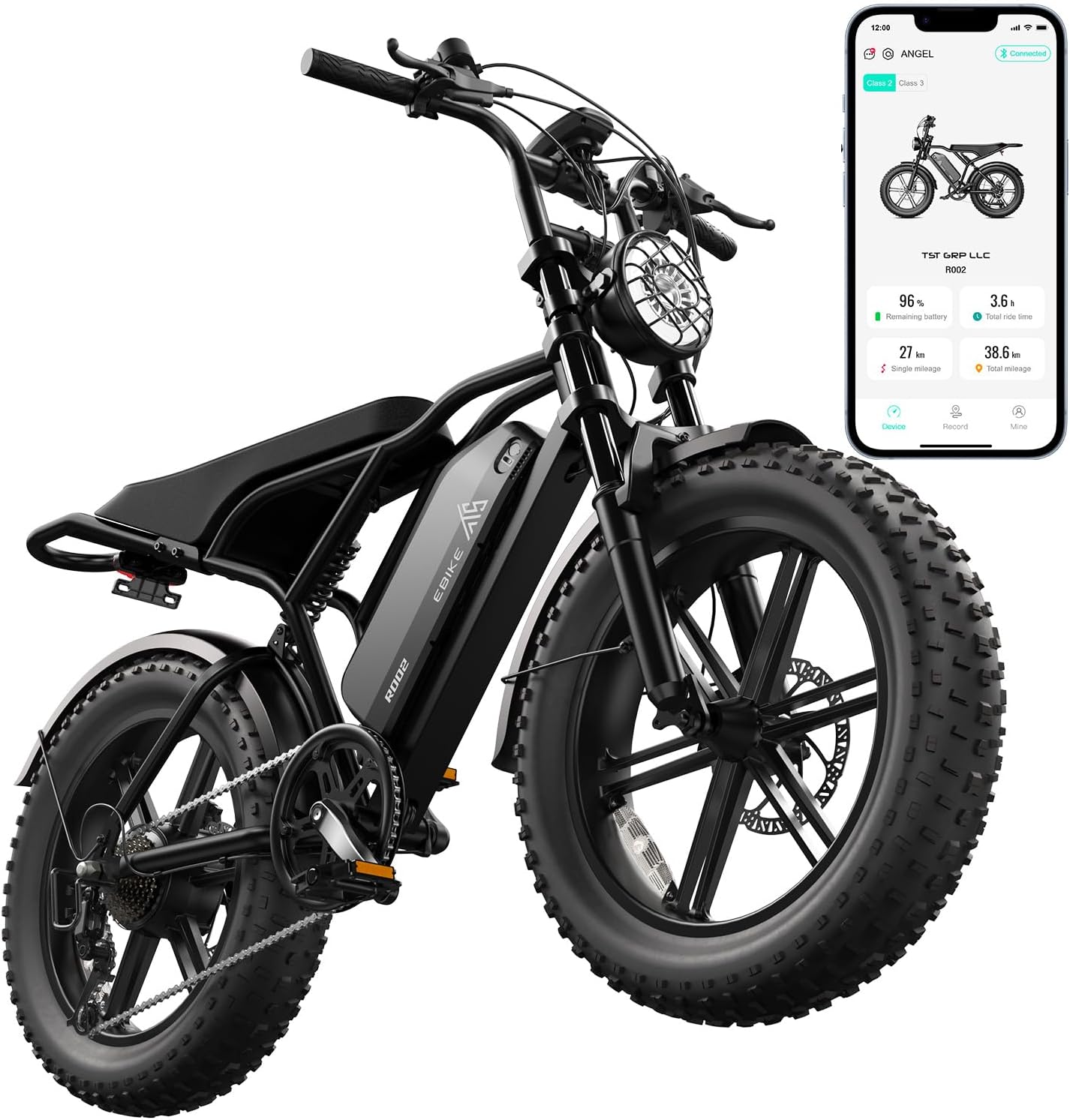
At first glance the TST electric bike presents a rugged, utilitarian aesthetic typical of off-road e-bikes. The frame appears to be a reinforced alloy or steel design (manufacturer materials are not specified in the provided details), with an extended seat and an integrated rear rack that improve comfort and cargo practicality for longer rides.
The standout visual and functional element is the 20×4.0-inch fat tire setup. These wide, puncture-resistant tires increase contact patch and traction across sand, snow, and loose dirt, and they also contribute to a smoother ride over rough terrain. The trade-off is increased rolling resistance and bulk compared with narrower tires, which affects maneuverability and transport.
Braking and visibility components are practical: the bike uses dual mechanical disc brakes and a 360° LED lighting suite (headlight, brake light, turn signals). The mechanical discs are reliable and easier to maintain than hydraulic systems, though they typically offer less modulation and stopping power under extreme loads.
Performance & Range
Motor and climbing ability
The listed 1500W peak motor and 90 N·m of torque position this model toward the higher end of consumer e-bikes in raw power. Manufacturer claims include the ability to conquer a 35-degree slope, which indicates strong low-end torque suitable for steep climbs. Real-world climbing performance will depend on rider weight, terrain, and battery state, but the motor spec suggests confident uphill capability and brisk acceleration from a standstill.
Battery, range, and charging
The bike is offered with a waterproof, removable 48V battery in 15Ah and 25Ah options (marketing notes indicate ranges of approximately 60 miles and 110 miles respectively under ideal conditions). These range figures should be treated as optimistic estimates that assume conservative throttle use, flat terrain, and lighter riders. In mixed terrain or frequent throttle use, expect substantially lower distances—typical real-world ranges are often 50–70% of manufacturer claims depending on conditions.
Battery safety is a notable point: the pack is reported to have passed UL 2849 testing and SGS verification, which indicates that it meets recognized standards for electrically assisted bicycles. Charging time for the pack is listed at about 5 hours for a full charge, which is reasonable for daily use. The removable and waterproof design improves convenience for storage and charging off the bike.
Handling, suspension, and ride feel
The bike uses a full suspension system to absorb bumps and improve control over uneven surfaces. Combined with the fat tires, this setup should deliver a comfortable ride on mixed terrain from city streets to unpaved trails. However, the combination of suspension components and fat tires typically increases overall weight and can reduce low-speed agility compared with rigid, narrow-tire city e-bikes.
Riding modes include pure electric (throttle), pedal-assist, and traditional pedal-only operation. Pedal-assist uses a speed sensor to modulate motor input, which is useful for conserving battery and extending range on long rides or climbs. The throttle-based pure electric mode is convenient for short bursts or low-effort moves, but using it frequently will reduce achievable range.
Who Is This Best For?
- Riders who prioritize off-road capability and traction: beach, snow, dirt, and uneven trails benefit from 20×4.0 fat tires.
- Commuters who need flexible range choices: buyers can opt for the 15Ah pack for moderate range or the 25Ah option for extended rides.
- Users seeking strong hill-climbing performance and quick acceleration thanks to a high-peak motor and high torque.
- Practical riders who want an integrated rear rack and an extended seat for longer rides or light cargo transport.
- Anyone who values safety-tested battery hardware (UL 2849) and removable, waterproof battery convenience.
Trade-offs to Consider
- Weight and portability: Fat tires, suspension, and a large battery add mass, making the bike heavier to lift, transport, or store. If you need a lightweight folding or apartment-friendly option, this may not be ideal.
- Maneuverability in tight spaces: Wide tires and a long wheelbase can reduce agility in congested urban environments and tight trail singletrack.
- Local regulations: A throttle-capable e-bike that can reach 28 mph may exceed legal limits for electric bicycles in some jurisdictions and could be categorized differently (e.g., moped/motorized vehicle). Check local laws before relying on throttle or top-speed operation.
- Real-world range variance: Manufacturer range claims (60/110 miles) depend heavily on battery choice and ideal riding conditions. Expect lower distances when riding aggressively, carrying heavier loads, or climbing frequently.
- Maintenance considerations: Mechanical disc brakes are lower-cost and simpler to maintain, but they can require more frequent adjustment than hydraulic systems. Similarly, puncture-resistant tires improve reliability but may reduce comfort and speed on pavement.
- After-sales warranty period: The included 6-month comprehensive warranty is useful, but it is shorter than warranties offered by some competitors. Verify what parts and labor are covered and how claims are handled.
Final Verdict
The TST 1500W peak 20″ fat tire e-bike is a compelling, value-oriented choice for riders who want a robust, off-road-capable e-bike with strong torque, a removable UL-tested 48V battery, and multiple riding modes. It balances power and practical features—such as an extended seat, rear rack, full suspension, and comprehensive lighting—against the expected compromises of weight, reduced urban maneuverability, and real-world range variability. If you need a high-traction, hill-capable electric bike and understand the local regulatory implications of a 28 mph throttle-capable machine, this model is worth considering; check the current price and availability to determine whether it fits your budget and riding needs.