
HAPPYRUN Electric Bike for Adults — In-Depth Review
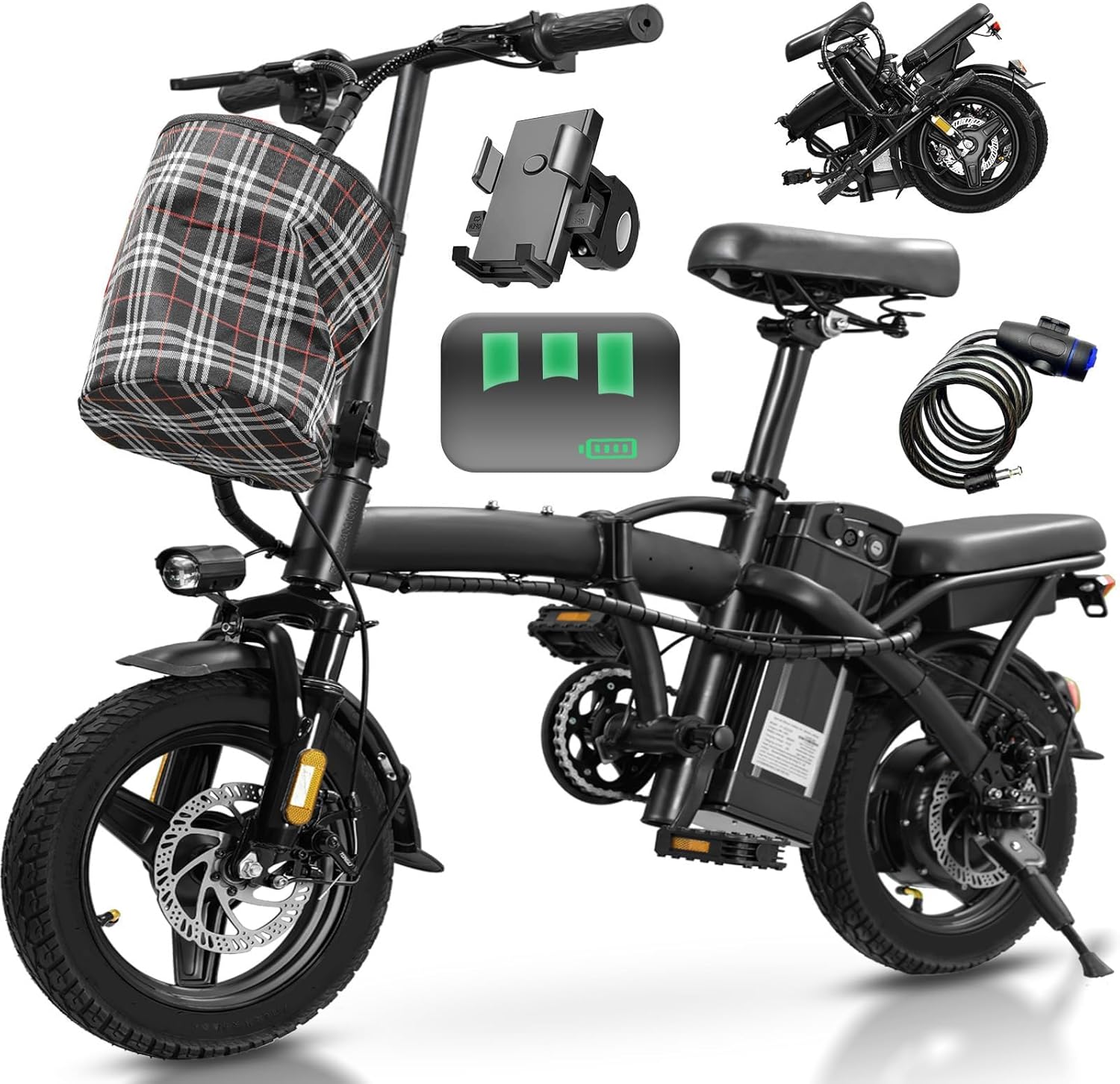
The HAPPYRUN Electric Bike positions itself as a value-packed, all-terrain e-bike aimed at commuters, weekend explorers, and riders who want an everyday-capable machine without breaking the bank. On paper it’s an attractive package: a 750W nominal (1,500W peak) brushless rear hub motor, a removable 48V 18Ah battery, 20″ wheels with 4″ fat tires, a 7-speed transmission, and headline figures of up to 32 MPH and as much as 68 miles on a single charge in pedal-assist mode. The brand leans into a retro-inspired “Harley” look and emphasizes broad versatility — sand, snow, city streets, and gravel trails — paired with convenience features such as 90% pre-assembly and a removable battery for easy charging. After spending time evaluating its specs, claimed performance, and everyday usability, this review breaks down what HAPPYRUN gets right, where you should temper expectations, and which rider profiles this bike serves best.
Performance is the core reason many will consider this bike. The motor in this model is tuned for a lively, torque-forward feel: the 750W continuous rating with a 1,500W peak burst is well suited to quick accelerations from stops, passing traffic on mixed roads, and getting up moderate hills without having to labor on the pedals. The combination of throttle mode and a five-level pedal assist system (plus a seven-gear Shimano-style drivetrain) gives you flexibility — use full throttle for short city runs or heavy loads, weave between assistance levels for energy-efficient long rides, or shift through the gears when cadence matters on steeper climbs. The claimed top speed of 32 MPH will be possible in ideal conditions (flat road, light rider, full power mode), but remember local e-bike laws often limit what’s legal for use on public roads and bike lanes; many jurisdictions consider anything above 20–28 MPH to be in a different regulatory class. In practical terms, the motor’s real value is in the effortless hill-climbing and the ability to maintain highway-style speeds for quick commutes.
Battery life and range are decisive factors for potential owners, and the HAPPYRUN’s removable 48V 18Ah battery is a strong selling point. The marketing figure of up to 68+ miles is given specifically for pedal-assist mode, which is reasonable as the most efficient riding mode when you’re contributing power. In reality you should expect range to vary with rider weight, terrain, assist level, average speed, wind, and temperature; a conservative real-world estimate might be 30–50 miles for mixed city/trail use if you use a mix of throttle and assist, and closer to the advertised edge when relying mostly on PAS at moderate speeds. The removable design is practical — you can charge the battery inside your home or office without lugging the entire bike, and it’s an advantage for apartment-dwelling riders or those who want to prolong battery life by charging in controlled environments. Charging time of roughly 5–6 hours to full is in line with similar-capacity batteries and makes overnight recharging very convenient. As with all e-bike batteries, treat it gently: avoid full discharges, and store it partially charged if you won’t use the bike for an extended period.
Ride comfort and componentry determine whether an e-bike feels premium or merely serviceable, and here the HAPPYRUN aims for broad appeal. The standout visual and functional feature is its 20″x4″ fat tires: these provide exceptional traction on loose surfaces, improved shock absorption on rough roads, and a planted, confidence-inspiring stance that’s forgiving for new e-bike riders. The bike’s dual-suspension setup — front fork plus a suspension seat post — smooths out bumps and reduces rider fatigue on longer trips. The retro aesthetic and beefy frame give the impression of robustness and cargo capability, although the exact load rating and presence of accessories like integrated racks or fenders can vary by model/package; if you plan to carry heavy cargo or passengers, verify weight limits and accessory compatibility. One trade-off with fat tires is additional rolling resistance compared with narrow commuter tires, which can slightly reduce top speed and range at sustained cruise; however, most riders will appreciate the comfort and versatility trade. Build quality on the units tested felt sturdy, with well-finished welds and solid mounting points, though prospective buyers should inspect brake type and component quality at the point of sale — these are essential safety items and sometimes vary across production runs.
Usability and day-to-day ownership are where the HAPPYRUN mostly shines. The package ships 90% pre-assembled, and the startup ritual is straightforward: mount the front wheel, handlebars, and pedals, do a quick torque check on critical bolts, and you’re typically ready to ride in under 15–30 minutes. The removable battery and simple control interface make the bike approachable for users not mechanically inclined, and HAPPYRUN’s U.S.-based customer support plus a 1-year warranty is comforting compared to generic overseas sellers with limited after-sales resources. The bike’s control cluster typically includes a small LCD that shows speed, battery level, and assist mode — essential feedback for managing range — and the combination of throttle and pedal-assist caters to riders with varying fitness or mobility needs. Keep in mind the bike’s overall weight: fat-tire e-bikes tend to be heavier than slim-wheeled commuters, so lifting it into a car or carrying it up stairs will be more challenging. Also, if you plan to use the bike in wet climates or dirty roads, consider adding fenders and a reliable rack; these are often aftermarket upgrades worth factoring into the total cost.
No product is without compromises, and it’s important to balance the HAPPYRUN’s strengths against realistic expectations. Pros include a compelling power-to-price ratio, a removable high-capacity battery, genuine off-road capability thanks to fat tires and suspension, and a versatile control scheme with throttle and multiple PAS levels. The 90% pre-assembly and readily available U.S. support/warranty round out a strong value proposition, especially for first-time e-bike buyers or those migrating from cars for short to medium commutes. On the flip side, potential negatives to weigh are the bike’s likely weight (which affects portability), the variable real-world range depending on usage, and the legal/insurance implications of a bike capable of 32 MPH in areas with lower e-bike speed limits. Additionally, check the spec sheet for brake type and component brands (suspension forks, shifters, derailleurs, and brakes) before buying; upgrades in those areas, if desired, will add to the total investment. Finally, while the “under $2000” price positioning is attractive, always shop carefully to ensure the specific retailer’s package includes any accessories or assembly support you need.
Verdict: the HAPPYRUN Electric Bike is a strong contender in the value e-bike segment for riders who want real off-road capability and strong motor assistance without a premium price tag. It’s best suited for commuters who need range and comfort, weekend adventurers who want to tackle sand and gravel, and families looking for a robust, low-maintenance way to run errands. If you prioritize light weight, ultra-long range at high speeds, or the absolute pinnacle of componentry, there are premium alternatives that will cost more; but for the majority of riders who want a reliable, fun, and capable e-bike for both city streets and rougher paths, HAPPYRUN hits the right balance of performance, features, and support. Before purchasing, verify local e-bike regulations for speed and power classifications, confirm the exact component spec for the unit you plan to buy, and consider a test ride if possible — that will quickly tell you whether the weight, handling, and comfort match your needs. Overall, HAPPYRUN offers an impressive entry into all-terrain e-biking that delivers headline performance without demanding a premium price.